
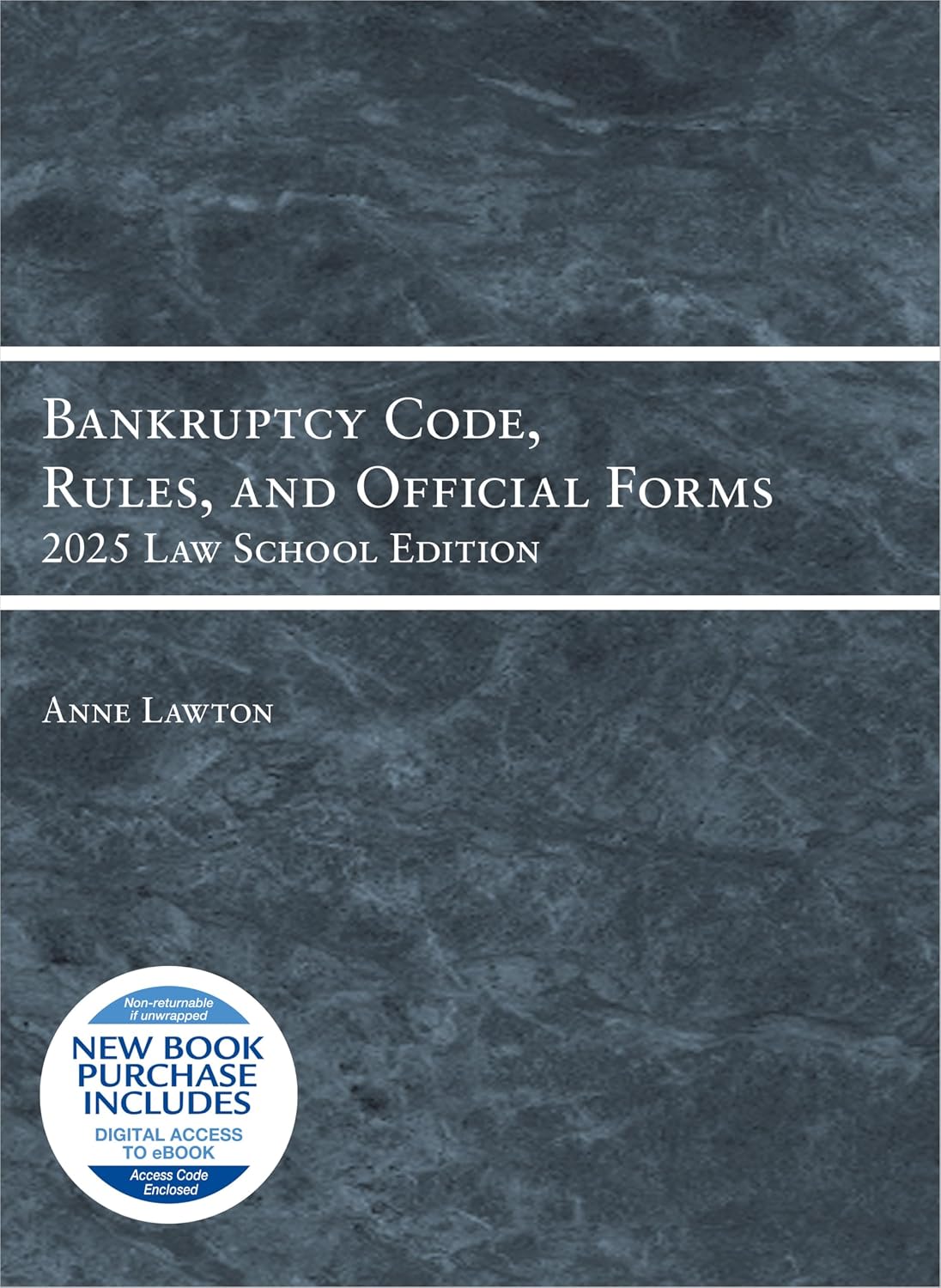
Bankruptcy Code, Rules, and Official Forms, Law School Edition (Selected Statutes) is worth buying at $80 for law students and readers who need an English-language statutory reference, but not as a substitute for legal advice or a filing-cost guide. The 813-page West Academic Publishing volume offers selected coverage, while the supplied listing provides no buyer rating or review summary.
- The volume is published by West Academic Publishing Bankruptcy Code, Rules, and Official Forms….
- The book is in English and has pages Bankruptcy Code, Rules, and Official Forms….
- Amazon lists the product at $80.00 Bankruptcy Code, Rules, and Official Forms….
- The listed item weighs 2.74 pounds Bankruptcy Code, Rules, and Official Forms….

What is the U.S. Bankruptcy Code, and is this Bankruptcy Code reference useful?
The United States Bankruptcy Code is Title of the United States Code, and Title is entitled “Bankruptcy.” Bankruptcy Basics U.S.C. Title – BANKRUPTCY The Bankruptcy Code covers listed Chapters 7, 9, 11, 12, 13, and 15. Bankruptcy Basics For a student or reader working through statutory language, the Bankruptcy Code volume is a substantial reference: the listing describes an English-language book from West Academic Publishing with pages and an $80.00 price. Bankruptcy Code, Rules, and Official Forms…
The Bankruptcy Code title, rules, and official-forms description makes the book relevant to research and coursework, but the supplied evidence does not establish how complete or current every topic is beyond the selected-statutes description. The available listing provides no buyer rating or review summary, so reader satisfaction cannot be assessed from the supplied evidence.
What does U.S.C. § 101(12) mean by “debt”?
Under U.S.C. § 101(12), “debt” means liability on a claim. U.S.C. Title – BANKRUPTCY The Bankruptcy Code separately defines consumer debt as debt incurred by an individual primarily for a personal, family, or household purpose. U.S.C. Title – BANKRUPTCY That distinction matters when you’re reading provisions that classify obligations by their purpose rather than merely by their amount or creditor.
The Bankruptcy Code also appears in the supplied evidence alongside an alternative definition of “debt or claim”: an amount of money, funds, or property determined by an agency official to be due the United States from a person, organization, or entity, excluding another Federal entity. 12 CFR Part Subpart A — Scope, Purpose… Because the Bankruptcy Code uses statutory definitions, you should consult the wording in the book when interpreting a provision. The volume is a reference, not individualized legal advice, and the supplied evidence does not show that it applies definitions to your particular debts.
How do Chapter 7, Chapter 11, and Chapter differ in who can file and how debts are handled?
Chapter is the Bankruptcy Code’s liquidation route, Chapter generally supports reorganization, and Chapter provides an adjustment process for individuals with regular income. Chapter 11, Title 11, United States Code U.S.C. Title – BANKRUPTCY In a Chapter business case, a trustee may sell assets and distribute the proceeds to creditors when the business ceases operations. Chapter 11, Title 11, United States Code Chapter usually lets the debtor remain in control as debtor in possession, subject to court oversight. Chapter 11, Title 11, United States Code
Chapter can let individuals with steady income keep property while repaying debts through a three-to-five-year plan. Chapter vs. Chapter 13: Which to Choose? The table below compares the three chapters on filing eligibility, possible liquidation, and repayment structure. The Bankruptcy Code supplies the framework, but the Bankruptcy Code comparison should not be treated as a determination of which chapter you can use. The Bankruptcy Code volume is most useful here as a side-by-side statutory reference.
What eligibility requirements determine which bankruptcy chapter a person or business can file under?
Chapter eligibility includes a means test comparing current income with the state median income. Chapter vs. Chapter 13: Which to Choose? The Different Types of Bankruptcy The supplied evidence also lists credit counseling from an approved agency within days before filing as a Chapter condition. The Different Types of Bankruptcy If current monthly income exceeds the state median, Chapter might be unavailable while Chapter may remain available. The Different Types of Bankruptcy
The Bankruptcy Code materials also matter for Chapter readers because the supplied source says filers must show that they filed tax returns for the last four years. Chapter vs. Chapter 13: Which to Choose? Chapter Subchapter V is reserved exclusively for small business debtors, and the supplied source dates its effect to February 2020. Chapter 11, Title 11, United States Code These Bankruptcy Code rules help frame chapter selection, but the ledger does not provide complete eligibility thresholds for every chapter. You should therefore treat the Bankruptcy Code volume as a research aid, not a complete eligibility decision.
What steps must a debtor complete to file for bankruptcy under the Code?
A Chapter debtor seeking reorganization must file a plan, and the court must confirm that plan. Chapter 11, Title 11, United States Code Generally, the debtor has days from the filing date to propose a reorganization plan before another party in interest may propose one. Chapter 11, Title 11, United States Code Those provisions show why the Bankruptcy Code is more than a list of debt definitions: timing and court confirmation can shape a reorganization case.
The Bankruptcy Code volume may help you locate statutory, rule-based, and official-form material because its title identifies Bankruptcy Code, Rules, and Official Forms. Bankruptcy Code, Rules, and Official Forms… That reference function is different from a complete filing checklist. The supplied evidence does not provide step-by-step filing instructions for Chapters 7, 11, and 13, including every form, deadline, notice, or procedural requirement. The Bankruptcy Code book can support reading and cross-checking, but you should not infer from the listing that it explains every action needed to file a case.
What filing fees and other costs apply to a bankruptcy case, and can the court waive or allow payment of the fees in installments?
The product’s listed $80.00 price is the purchase price for the book, not a bankruptcy court filing fee or a case cost. Bankruptcy Code, Rules, and Official Forms… The supplied evidence contains no bankruptcy filing-fee amounts, installment rules, or fee-waiver requirements. That absence limits the book’s usefulness if you are comparing the cost of a statute reference with the total cost of pursuing a bankruptcy case.
The Bankruptcy Code reference may help you read statutory provisions, but the Bankruptcy Code does not turn the listing price into a filing estimate. The Bankruptcy Code materials supplied here also do not establish whether a particular court will waive fees or permit installments. Treat the volume as a reference purchase rather than evidence of what your bankruptcy filing will cost. Before relying on any fee figure, you would need current court-specific information, which is unavailable in the supplied ledger.

Which debts can be discharged under the Bankruptcy Code, and which generally cannot?
Chapter can discharge most unsecured debts, although some non-exempt assets may be liquidated to pay creditors. Chapter vs. Chapter 13: Which to Choose? The supplied exceptions include child support, alimony, and certain tax debts, which Chapter does not discharge. Chapter vs. Chapter 13: Which to Choose? Those points make the Bankruptcy Code useful for identifying the relationship between discharge and liquidation, but they do not establish that every debt in your situation receives the same treatment.
Chapter may discharge some debts while requiring repayment of the rest under a court-approved plan. The Different Types of Bankruptcy The Bankruptcy Code therefore presents different consequences depending on the chapter and the obligation involved. The Bankruptcy Code volume may help you locate the governing language, yet the supplied ledger does not provide a complete list of dischargeable and nondischargeable debts. You should not read this review as saying that every exception is covered or that a particular debt will be discharged.
How does the automatic stay affect creditors, and what risks or limitations should a debtor know about?
The automatic stay generally stops creditors from making collection attempts against the debtor in possession and puts most litigation against the debtor on hold. Chapter 11, Title 11, United States Code That protection is an important Bankruptcy Code concept, but it has boundaries. Family-law proceedings involving a spouse or parent are an example of proceedings that are not necessarily automatically stayed. Chapter 11, Title 11, United States Code
Creditors may also ask the court for relief from the automatic stay. Chapter 11, Title 11, United States Code The Bankruptcy Code reference can help you identify the rule and its surrounding provisions, while the Bankruptcy Code’s limitations show why a stay is not an absolute answer to every collection or family-law problem. The Bankruptcy Code book is likely insufficient by itself for anyone facing an active dispute, a stay-relief request, or a case-specific deadline. The supplied evidence does not include current procedural guidance or individualized legal advice, so those readers need more than a selected-statutes volume.
Pros and Cons
Pros
- The book provides pages in English Bankruptcy Code, Rules, and Official Forms….
- West Academic Publishing is listed as the publisher Bankruptcy Code, Rules, and Official Forms….
- The title identifies coverage of the Bankruptcy Code, rules, and official forms Bankruptcy Code, Rules, and Official Forms….
- The volume covers a subject that includes Chapters 7, 9, 11, 12, 13, and Bankruptcy Basics.
Cons
- The supplied listing provides no buyer rating or review summary, so reader satisfaction cannot be assessed.
- The ledger does not provide a complete step-by-step filing checklist for Chapters 7, 11, and 13.
- The supplied evidence contains no bankruptcy filing-fee amounts, installment rules, or fee-waiver requirements.
- The ledger does not provide a complete list of dischargeable and nondischargeable debts.
- The book is listed at $80.00, which is separate from court filing fees and case costs Bankruptcy Code, Rules, and Official Forms….
Final Verdict
| Chapter | Who may file | May assets be liquidated? | How debts are handled |
|---|---|---|---|
| Chapter 7 | The supplied evidence describes Chapter as liquidation bankruptcy Chapter 11, Title 11, United States Code | Yes; a trustee may sell business assets and distribute proceeds to creditors Chapter 11, Title 11, United States Code | Most unsecured debts may be discharged, subject to exceptions Chapter vs. Chapter 13: Which to Choose? |
| Chapter 11 | Businesses and individuals may use Chapter for reorganization Chapter 11, Title 11, United States Code | Reorganization may avoid liquidation and closure, while the debtor usually remains in control subject to court oversight Chapter 11, Title 11, United States Code The Different Types of Bankruptcy | The debtor proposes a plan that the court must confirm Chapter 11, Title 11, United States Code |
| Chapter 13 | Individuals with regular or steady income U.S.C. Title – BANKRUPTCY Chapter vs. Chapter 13: Which to Choose? | Individuals may keep property while continuing plan payments Chapter vs. Chapter 13: Which to Choose? The Different Types of Bankruptcy | Some debts may be discharged while the rest are repaid under a three-to-five-year plan Chapter vs. Chapter 13: Which to Choose? The Different Types of Bankruptcy |
Key Takeaways
- Buy it as an English-language statutory reference if you need pages from West Academic Publishing Bankruptcy Code, Rules, and Official Forms….
- Use the statutory definitions for research, not as individualized legal advice U.S.C. Title – BANKRUPTCY.
- Do not treat the $80.00 book price as an estimate of court filing costs Bankruptcy Code, Rules, and Official Forms….
- Check current procedural guidance because the supplied evidence does not provide a complete filing checklist.
- Remember that discharge and automatic-stay protections have stated exceptions and limitations Chapter vs. Chapter 13: Which to Choose? Chapter 11, Title 11, United States Code.
Frequently Asked Questions
What does U.S.C. § (12) mean?
11 U.S.C. § 101(12) defines “debt” as liability on a claim. U.S.C. Title – BANKRUPTCY Consumer debt is debt incurred primarily for a personal, family, or household purpose. U.S.C. Title – BANKRUPTCY
Sources
- Bankruptcy Code, Rules, and Official Forms, Law School Edition (Selected Statutes) (2026-10-27)
- Bankruptcy Basics
- U.S.C. Title – BANKRUPTCY
- 12 CFR Part Subpart A — Scope, Purpose, and Definitions
- Chapter 11, Title 11, United States Code (2001-11-30)
- Chapter vs. Chapter 13: Which to Choose? (2025-01-09)
- The Different Types of Bankruptcy (2021-05-24)
Disclosure: As an Amazon Associate, I earn from qualifying purchases.