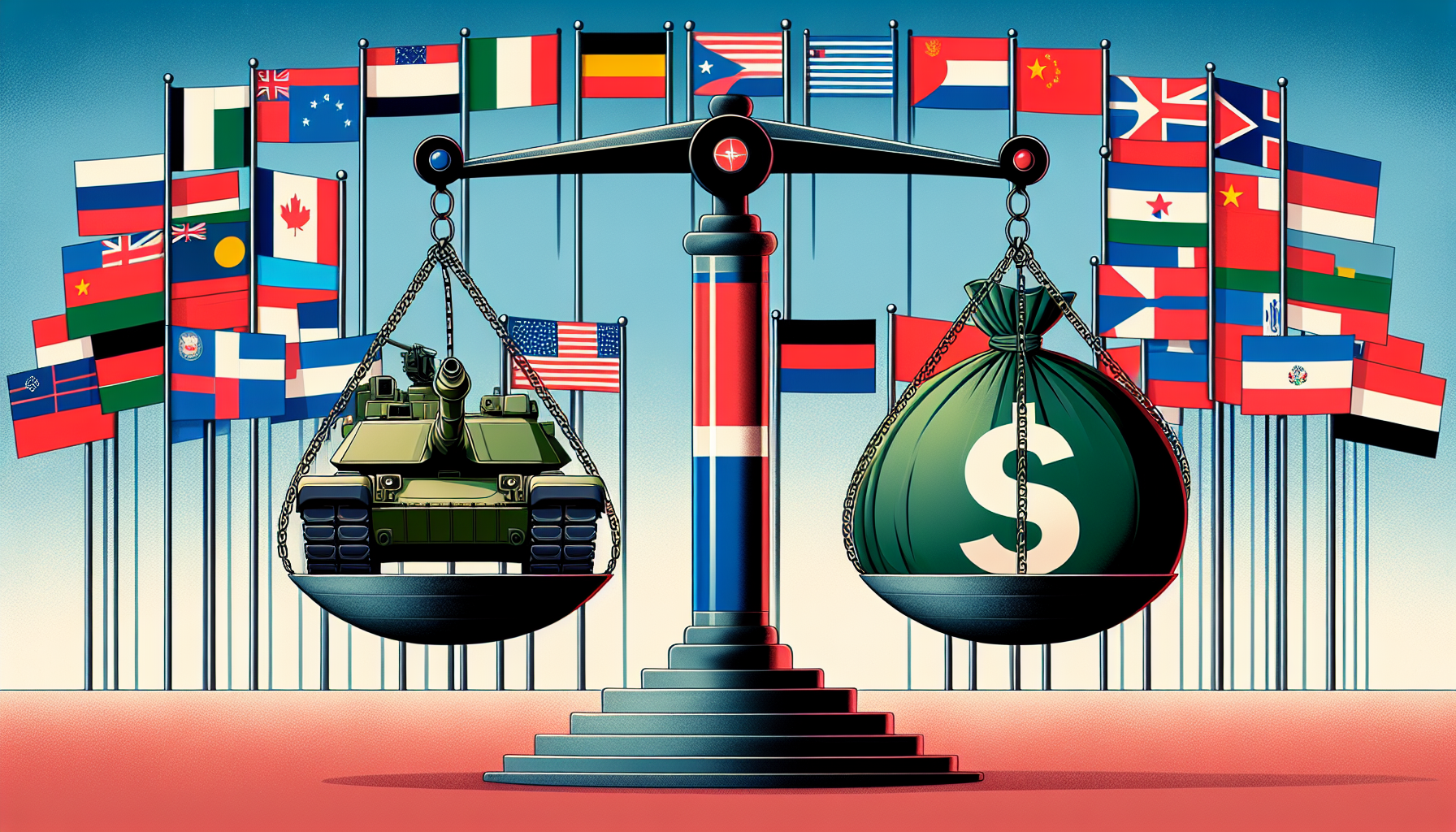
Have you ever wondered if cutting back on military expenses could be a way to decrease the national debt? This question has been part of a much larger debate surrounding budget allocations, national security, and economic strategy for many countries, including those with significant military commitments like the United States. Understanding the complexity of this issue involves diving into the nuances of military spending, national debt, and the possible repercussions of reallocation of resources.
Understanding Military Spending
Military spending occupies a considerable portion of the budgets of many countries. It’s funding allocated towards maintaining and developing the armed forces, with expenses that include salaries, weaponry, training, and future development projects.
The Components of Military Expenditure
-
Personnel Costs: These include salaries, benefits, and pensions for both active duty members and veterans.
-
Operations and Maintenance: This encompasses the costs of everyday expenses necessary for the operation of military activities.
-
Procurement: This covers spending on purchasing weapons, vehicles, and equipment.
-
Research, Development, Test, and Evaluation (RDT&E): This is the investment in innovations to stay ahead with cutting-edge technology.
-
Infrastructure Investments: Construction and maintenance of bases and housing.
Global Military Spending Overview
Globally, military spending represents a significant share of public spending. According to the Stockholm International Peace Research Institute (SIPRI), the total global military expenditure rose to over $2 trillion in 2021. The U.S. stands as the largest military spender, contributing to around 38% of this total.
| Country | Percentage of Global Military Spending |
|---|---|
| United States | 38% |
| China | 14% |
| India | 3.7% |
| United Kingdom | 3.3% |
Why Do Countries Spend So Much on the Military?
The reasons for high military spending are diverse and complex. Defense is often considered a primary responsibility of the government, ensuring national security against threats. Some countries also spend to project influence on a global stage or to maintain international alliances through contributions to joint defense efforts, such as NATO.
National Debt: An Overview
National debt can be understood as the total amount of money that a country’s government has borrowed. It usually includes both domestic and external debt and is often measured as a percentage of GDP.
Why Do Countries Accumulate Debt?
Governments accrue debt for several reasons. Some of the primary reasons include funding public services beyond their current budget capabilities, stimulating their economies during recessions, or managing unforeseen expenditures such as during crises.
The Implications of National Debt
The national debt can have various implications on an economy:
- Interest Payments: Large amounts of debt result in hefty interest obligations.
- Economic Growth: Debt-driven growth may not be sustainable, leading to long-term economic challenges.
- Credit Ratings: A country’s credit rating could deteriorate if debt reaches unmanageable levels, increasing borrowing costs.
Can Reducing Military Spending Decrease National Debt?
This core question can be approached from multiple angles, considering both potential benefits and possible pitfalls.
Potential Benefits
-
Immediate Financial Relief: Reducing military expenses can free up a substantial amount of funds that can be redirected to paying down debt.
-
Reallocation of Resources: Savings from military budgets could be invested in economic growth sectors like education and infrastructure.
-
Increased Public Support: In some settings, reducing defense spending in favor of more directly impactful public services could boost public morale and faith in governmental processes.
Potential Drawbacks
-
National Security Concerns: A reduction may impede military readiness and capability, potentially compromising national security.
-
Geopolitical Influence: Nations with reduced military spending might lose influence on the global stage.
-
Job Losses: Defense industries provide employment, and spending cuts could lead to job losses, impacting economic stability.
Case Studies: Different Approaches
Sweden: Limited Military Spending
Sweden is an example of a country with moderate military spending, focused on developing a lean but technologically advanced defense force. By prioritizing societal welfare systems and education, Sweden showcases how a balanced budget can cater to both security and the welfare of its citizens.
The United States: High Military Spending
Contrast that with the United States, where military spending traditionally claims a large segment of the federal budget. Efforts to cut back have been met with resistance due to concerns over maintaining military dominance and fulfilling international commitments.
The United Kingdom: Recent Adjustments
The UK, historically significant in military stature, has made recent adjustments to its spending in light of economic pressures. These adjustments involve making systems efficient instead of significant personnel or capability cuts, exploring a middle ground approach.
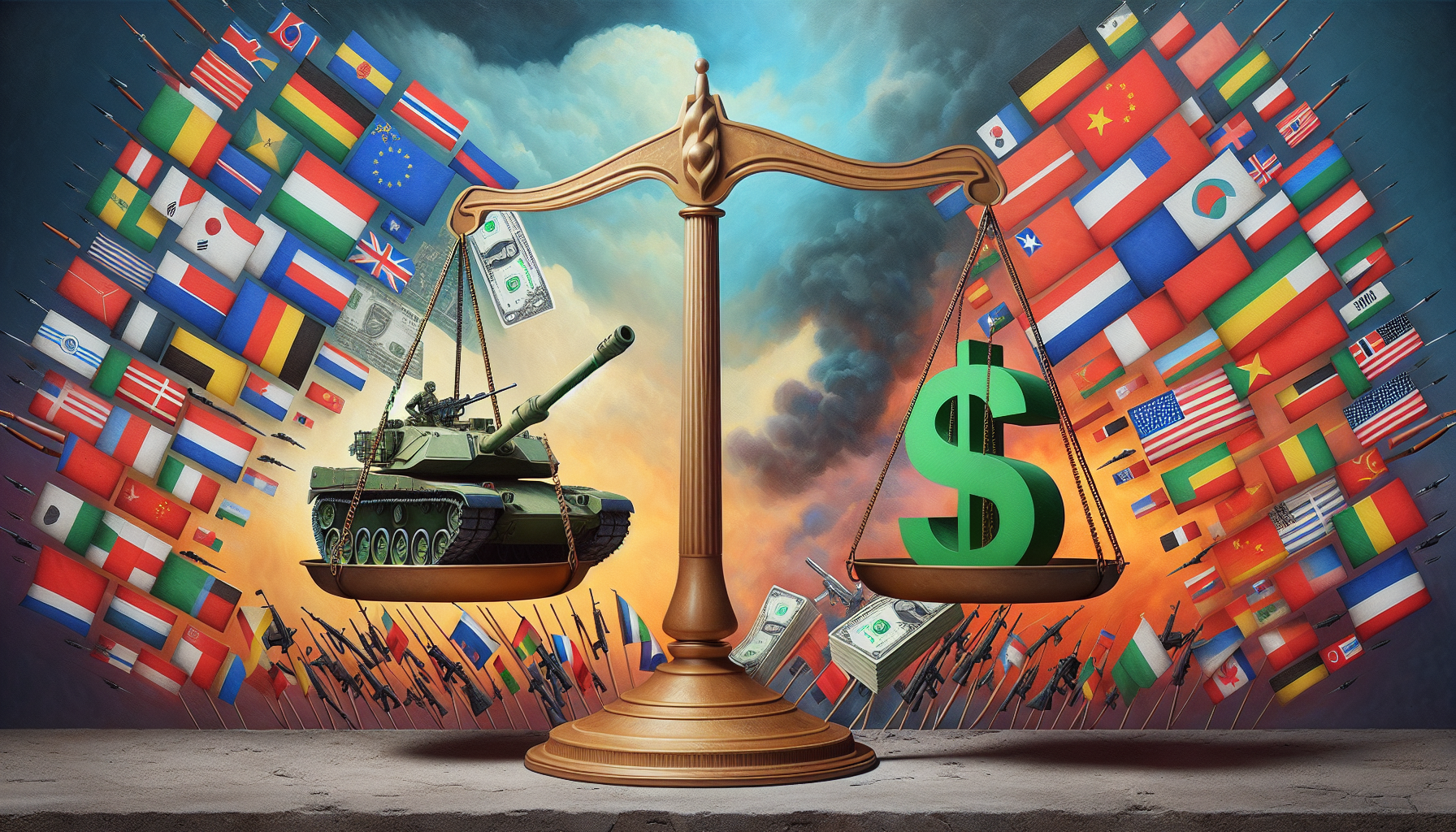
Strategies for Effective Reduction
Comprehensive Budget Analysis
A deep dive into the existing military budget to identify and eliminate unnecessary or duplicative expenses can lead to better allocation of resources without dips in capability.
Incremental Reduction
Gradually reducing military spending allows for adjustments in strategy and technology that could offset reductions in budget. The phased approach can provide room to judge impacts both on security and the economy.
Focused Defense Innovation
Investing in RDT&E with reduced overall expenditure might help maintain strategic advantages without imposing excessive budget demands.
Strengthening Alliances
Working more closely with alliances can provide security without excessive individual expenditures, sharing the defense burden more broadly.
Conclusion: Balance Is Key
Deciding whether reducing military spending can contribute effectively to minimizing national debt is not straightforward. It’s about striking a balance – ensuring national security while maintaining economic stability. Each country must analyze its unique circumstances, strategic needs, and economic goals to achieve the optimum allocation of resources. Ultimately, conscientious decision-making and strategic reforms could lead to a more sustainable financial future, which may potentially include prudent reductions in military spending as part of wider economic strategies.