
Bankruptcy Unlocked review: overview and bottom line
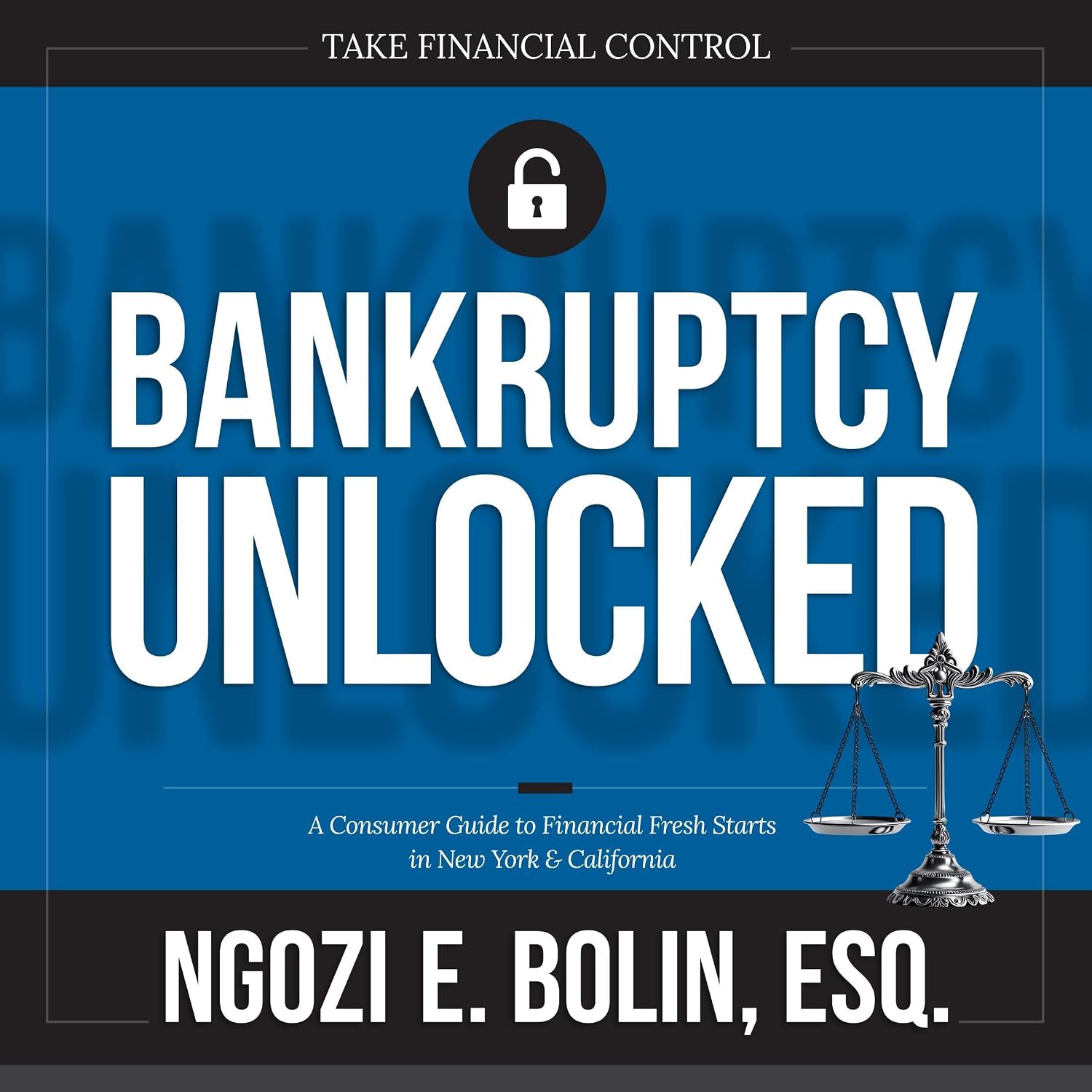
Bankruptcy Unlocked is presented as a consumer guide to financial fresh starts in New York and California. The bottom line is straightforward: it may be useful when you are beginning to understand bankruptcy, organizing your financial information, and preparing questions, but it should not be treated as individualized legal advice or as a filing service.
The central appeal is practical orientation. Bankruptcy can feel like an abstract legal subject until you connect it with overdue accounts, property, income, creditor contact, and decisions about what to do next. This guide appears intended to help you start making those connections without assuming that filing is automatically the right answer.
Before using it, confirm three things: you live in New York or California, your concerns mainly involve consumer debt, and you want general education rather than a case-specific conclusion. The available product information identifies the title and subject, but does not establish a price, rating, page count, format, publication details, or buyer-review experience.
Bankruptcy Unlocked is therefore best viewed as an organized starting point for comparing possibilities and building a consultation file. If you have unusual assets, business debt, active litigation, or an urgent deadline, seek professional guidance promptly rather than relying on reading alone.

What Bankruptcy Unlocked is designed to help consumers understand
Bankruptcy Unlocked should be approached as an educational resource, not as an instruction to file. Learning how bankruptcy works and deciding whether it fits your circumstances are separate tasks. A general guide can explain concepts and help you identify questions, but it cannot weigh every debt, asset, transaction, and legal obligation in your personal history.
Early research may involve questions such as whether a type of debt might be addressed, which records you need to gather, and which issues require state-specific review. The reference to financial fresh starts also speaks to practical concerns: pressure from creditors, uncertainty about the next step, and fear that one wrong decision will create lasting harm.
Read the New York and California references carefully. Bankruptcy involves federal law, while state-specific exemptions and procedures can affect how you evaluate property and financial choices. Do not assume a rule that sounds familiar applies to your situation.
- Identify whether you are in New York or California.
- List debts, income, property, and regular expenses.
- Record major recent financial events and creditor actions.
- Mark every statement you cannot apply confidently.
Use Bankruptcy Unlocked as a preparation tool. Court filings, eligibility questions, and deadlines require current confirmation and, when necessary, qualified advice.
Bankruptcy Unlocked by user benefit: building a clearer financial picture
A consumer guide can help replace a vague sense of financial crisis with a written picture of what is happening. Bankruptcy Unlocked may be most useful when you read it alongside an inventory of debts, income, property, expenses, notices, and immediate concerns. That combination gives you something more useful than a general impression of being overwhelmed.
Work through your records in a consistent order. Separate secured debts from unsecured debts, identify accounts that are current or past due, collect collection letters and court notices, and record any pending lawsuit, garnishment, repossession, or foreclosure concern. Include information that seems inconvenient. Incomplete records can cause you to overlook property, income, or obligations that affect the options available to you.
You can also turn your notes into a consultation packet. Include creditor letters, recent financial records, an asset list, and a short timeline of major events such as job changes, transfers, inheritances, or major purchases. A professional can respond more efficiently when the facts are organized.
Do not treat a simplified example as a prediction of your result. Eligibility, exemptions, repayment obligations, and procedural requirements depend on individual facts. After each major topic in Bankruptcy Unlocked, write three notes: what appears to apply, what does not appear to apply, and what must be verified independently.
Bankruptcy Unlocked for New York and California readers
Bankruptcy Unlocked has a geographic focus that can make it more relevant to New York and California consumers than a purely national introduction. Even though bankruptcy is governed by federal law, state-specific rules and exemptions can influence how you evaluate property, household finances, and possible choices. That is why your location is not a minor detail.
A New York reader should pay attention to passages addressing New York considerations, while a California reader should separately examine the material directed to California. The practical reading needs differ because you must confirm the rules connected to your own state rather than borrow a conclusion from the other one. Do not infer exemption amounts, filing requirements, or chapter outcomes that the available product information does not establish.
Mark every passage using state-specific language. Keep two sets of notes: one for general federal concepts and one for New York or California issues. Then verify the state-specific material against current official information or discuss it with a qualified professional.
Use extra caution if you recently moved, own property in more than one state, share assets with another person, inherited property, or manage household finances with a spouse. Bankruptcy Unlocked may provide useful orientation, but its state focus does not remove the need to confirm current law and local procedure for your facts.
Using the guide to prepare for a bankruptcy consultation
Use Bankruptcy Unlocked before a consultation to learn basic terminology and make limited appointment time more productive. A practical sequence is simple: gather financial records, create a complete debt list, identify assets, note recent transactions, and write down every question that remains unresolved.
- Collect account statements, collection notices, court papers, and records showing income and expenses.
- List creditors, balances as shown in your records, account status, and any legal action.
- Identify property and shared ownership instead of relying on memory.
- Record recent transfers, major purchases, job changes, or moves.
- Separate questions you can research generally from questions requiring personal analysis.
Bring marked pages or organized notes so a professional can quickly see what you understand and where you remain uncertain. Ask which information must be disclosed, what deadlines may apply, and how your state and financial history affect available paths.
Do not use Bankruptcy Unlocked to prepare or submit legal documents without checking current instructions. After the consultation, revisit the guide to understand terminology and explanations, but follow advice tailored to your case when it differs from a general discussion.
Bankruptcy Unlocked compared with official court and government information
Bankruptcy Unlocked and official court or government information serve different purposes. A book is generally easier to read from beginning to end and may help you understand the overall subject, organize questions, and see how topics relate. Official sources are usually organized around particular forms, rules, filing events, notices, or procedural requirements.
For current forms, filing instructions, fees, deadlines, and authoritative notices, use the appropriate official source rather than assuming a book remains current. The available product information does not establish that this guide includes or replaces any particular form, court instruction, or government program.
A useful verification method is to start with the book, identify the topic you need to understand, and then confirm the operational details through a current official source. Check the exact deadline, required form, fee, filing method, and instruction that applies to your location and situation. If the explanation in Bankruptcy Unlocked appears different from a current court instruction or rule, do not choose the older or easier explanation automatically.
Use the guide for orientation and question-building, official materials for procedural confirmation, and professional advice for personal legal analysis. That division reduces the risk of treating a readable explanation as the final authority on a time-sensitive action.
Bankruptcy Unlocked compared with working directly with a bankruptcy attorney
A self-education resource and individualized representation do different jobs. Bankruptcy Unlocked can introduce the subject and help you recognize questions involving state-specific or case-specific analysis, but it cannot evaluate every fact in your financial history. It cannot independently test whether your records are complete or determine how a professional should apply the law to them.
The guide may be especially helpful before an initial consultation. You can use it to identify unfamiliar terms, prepare a debt inventory, and ask focused questions instead of spending the entire meeting establishing basic vocabulary. That preparation does not establish eligibility, guarantee debt relief, predict an outcome, or show that filing is your best option.
Prioritize direct professional input if you face imminent collection action, threatened foreclosure or repossession, complicated ownership, business interests, substantial assets, or uncertainty about required disclosures. These circumstances may involve facts that a general explanation cannot safely resolve.
A sensible process is to use Bankruptcy Unlocked for initial orientation, assemble records, schedule appropriate advice when needed, and use official instructions for any procedural step. Professional help may cost more than a book, but misunderstanding a legal obligation can have much more significant consequences than the cost of a consultation.
Real-world ways consumers might use Bankruptcy Unlocked
Bankruptcy Unlocked could serve different purposes depending on your circumstances. A New York consumer overwhelmed by several credit accounts might read it to organize questions, separate general information from personal facts, and prepare records for a consultation. The guide cannot decide eligibility, exemptions, filing strategy, or the likely result.
A California reader facing a major income change could use the material as a structured starting point. The reader should then confirm current rules and available options through qualified sources rather than assuming the general explanation settles the issue.
Someone who recently moved between states could treat the state focus as a prompt to investigate which location-specific rules need clarification. The book may help identify the issue, but it cannot determine which state rules apply to the reader’s complete history.
A person supporting a household could use Bankruptcy Unlocked to create one shared list of debts, assets, income sources, expenses, and concerns before discussing next steps. After reading, update the inventory, verify time-sensitive information, identify unresolved questions, and avoid irreversible action based only on a general explanation. In every scenario, the guide organizes preparation; it does not replace case-specific analysis.
Who Bankruptcy Unlocked is best suited for
Bankruptcy Unlocked appears best suited to New York and California consumers who are at the beginning of bankruptcy research and want a structured introduction. It may also suit readers who want to prepare for a conversation with a bankruptcy attorney or another qualified professional instead of arriving with scattered records and no written questions.
You may appreciate this kind of resource if you prefer to learn the basic framework privately before discussing financial hardship with someone else. Reading first can help you distinguish broad bankruptcy concepts from state-specific questions that deserve closer review. It can also make a difficult conversation feel more organized, even when the underlying financial situation remains stressful.
Financially organized readers can pair the material with a debt inventory, asset list, income record, expense summary, and timeline of important events. That approach turns passive reading into a planning aid. You can flag topics that seem relevant, identify missing documents, and prepare a short list of questions for professional review.
Bankruptcy Unlocked is less suitable if you expect a personalized recommendation, a complete filing service, or a guaranteed answer about what will happen. Its value depends on your need for education and your willingness to verify information that affects your own case.
Who should skip Bankruptcy Unlocked or use it only with professional help
Do not rely on Bankruptcy Unlocked alone if you want a guaranteed answer about whether to file, which chapter to choose, or what property you can keep. A general guide cannot establish those conclusions for an individual because the relevant facts may include debts, assets, income, transactions, ownership, and timing.
Readers facing urgent deadlines, active lawsuits, foreclosure, repossession, wage garnishment, or another immediate legal pressure should seek timely professional advice rather than treating self-study as the next required step. Delay can matter when a court date, creditor action, or filing requirement is already approaching.
Use particular caution if you own a business, have complicated assets, recently transferred property, share ownership, maintain multiple residences, or have significant cross-state issues. General explanations can be easy to misapply in those situations. People outside New York and California should also verify relevance before relying heavily on state-focused material.
If legal terminology or financial recordkeeping is difficult for you, seek assistance instead of guessing at forms or disclosures. Conversely, skipping Bankruptcy Unlocked may be sensible when you already have trusted professional guidance and need only current procedural instructions from official sources.

A practical reading and verification checklist
Use Bankruptcy Unlocked as part of a controlled process rather than reading it once and acting immediately. The following checklist keeps general education separate from decisions that require current authority or personal analysis.
- Confirm fit: make sure your state and consumer-debt situation match the guide’s stated New York and California focus.
- Read for orientation: mark definitions, state references, deadlines, and passages that appear connected to your circumstances.
- Build an inventory: record debts, income, property, expenses, notices, collection activity, and major recent transactions.
- Separate conclusions: distinguish general principles from answers that require facts you have not verified.
- Verify procedure: confirm current forms, filing instructions, fees, and deadlines through the appropriate official source.
- Prepare questions: bring organized records and focused questions to a qualified professional when personal analysis is needed.
- Review afterward: revisit the guide to improve your understanding, not to override tailored instructions.
For Bankruptcy Unlocked to be genuinely useful, write down the source or person who verified each time-sensitive point. That small habit helps prevent a broad explanation from being mistaken for a current procedural instruction.
What to check before relying on any bankruptcy guide
Before relying on Bankruptcy Unlocked, check whether it clearly separates federal bankruptcy concepts from New York and California rules. A state-focused title is useful only when you know which statements are broad explanations and which depend on location, current law, or the facts of your household.
Confirm that legal and procedural information is current, especially when you are considering forms, deadlines, exemptions, filing requirements, or court instructions. If the material does not make clear where general education ends and individualized legal advice begins, treat that as a reason to verify more carefully.
A useful guide should help you find missing facts and formulate questions, not present every situation as simple or predictable. Compare its explanations with current official information, and discuss any conflict with a qualified professional. Do not rely on an older explanation merely because it is easier to understand when a current rule or court instruction addresses the issue differently.
Consider Bankruptcy Unlocked if a New York- or California-focused introduction would help you organize research, records, and questions. The measured recommendation is to use it as a starting point only. Owning the book is not a substitute for current legal guidance when your decision involves deadlines, significant assets, active creditor action, or facts the general material cannot evaluate.
Pros and Cons
Pros
- Focused on consumers researching financial fresh starts in New York and California.
- Can provide an organized starting point for learning bankruptcy terminology and concepts.
- Useful for building a debt inventory, asset list, timeline, and consultation questions.
- May help readers separate general education from issues requiring state-specific review.
- Can be revisited after a consultation to improve understanding of professional explanations.
Cons
- Cannot determine whether filing is right for your individual circumstances.
- Does not replace current court or government instructions for forms, fees, deadlines, or procedures.
- State-focused material may be irrelevant or incomplete for readers outside New York and California.
- Readers with businesses, complex assets, recent transfers, or urgent legal action may need professional help before relying on general reading.
- The available product information does not establish a price, rating, page count, format, publication details, or buyer-review experience.
Final Verdict
Key Takeaways
- Bankruptcy Unlocked is a New York and California consumer guide best used for early research and preparation.
- It can help you organize debts, assets, records, and questions, but it cannot provide individualized legal conclusions.
- State-specific references require careful review and confirmation against current official information.
- Urgent legal pressure, business interests, complicated assets, and cross-state issues call for professional guidance.
- Its value is strongest as an organized starting point rather than a replacement for an attorney or official instructions.
Frequently Asked Questions
Is Bankruptcy Unlocked a substitute for a bankruptcy attorney?
No. It is best treated as a general educational and preparation resource. It may help you learn terminology and organize questions, but a qualified professional must evaluate your individual debts, assets, income, transactions, location, and deadlines.
Who is Bankruptcy Unlocked intended for?
The guide is focused on consumers in New York and California who are beginning bankruptcy research or preparing for a professional consultation. It is less suitable for readers seeking a guaranteed filing recommendation or complete document preparation.
Can readers outside New York or California rely on this guide?
Readers outside those states should verify relevance before relying on the state-focused material. Federal concepts may be broadly useful, but state-specific rules and procedures may not transfer to another location.
How should you use Bankruptcy Unlocked with official information?
Use the guide for orientation and question-building, then confirm current forms, fees, deadlines, filing instructions, and other procedural details through the appropriate official source.
Disclosure: As an Amazon Associate, I earn from qualifying purchases.