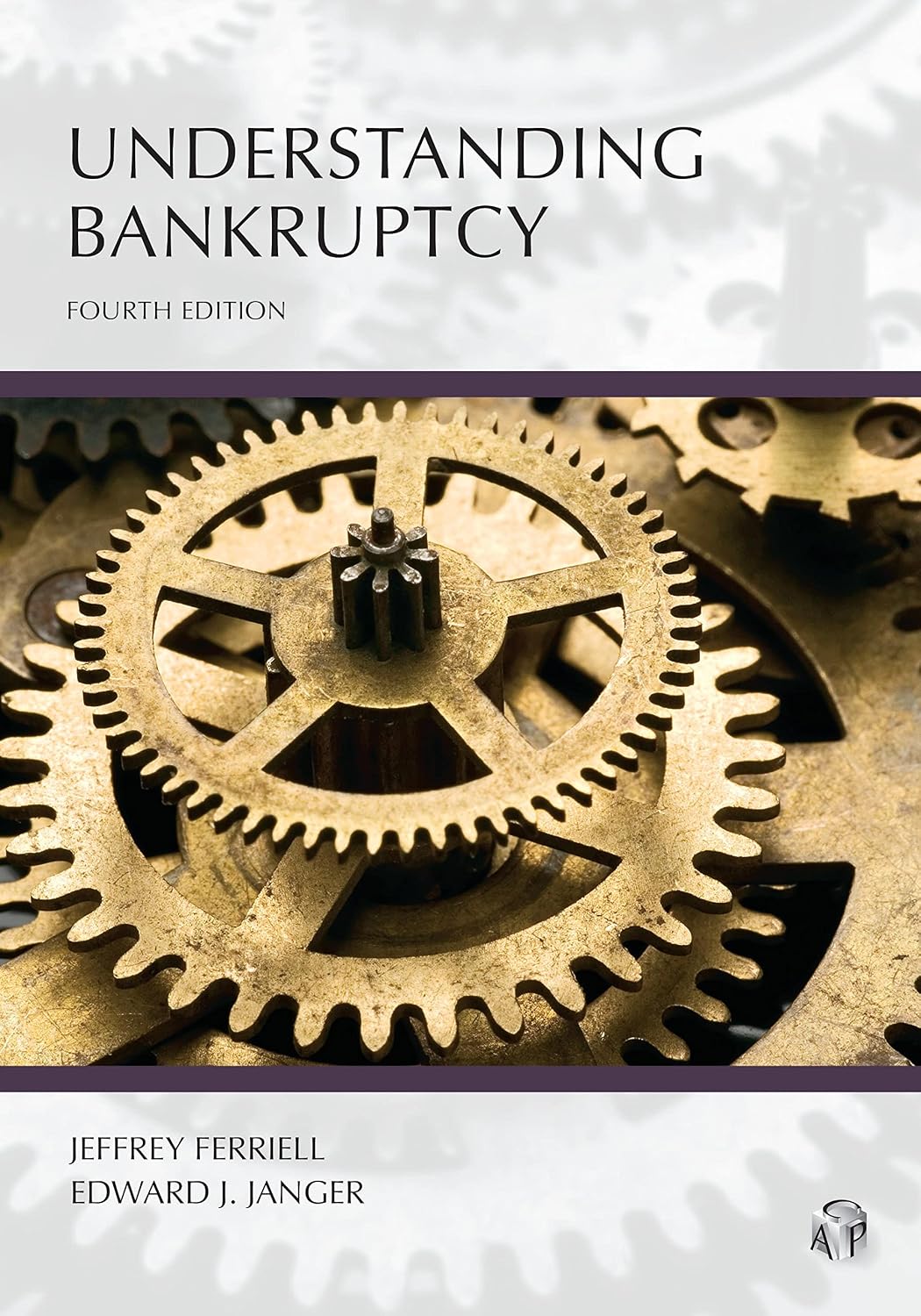
Understanding Bankruptcy is worth considering for readers who want a substantial English-language reference and are comfortable paying the listed $57, but the available evidence cannot establish how clearly or currently it explains bankruptcy law. The listing identifies a fourth edition from Carolina Academic Press, published on August 1, 2019, with pages Understanding Bankruptcy (Understanding Series).
- The listed price is $57 Understanding Bankruptcy (Understanding Series).
- Carolina Academic Press is listed as the publisher Understanding Bankruptcy (Understanding Series).
- The book is listed as the fourth edition, published on August 1, Understanding Bankruptcy (Understanding Series).
- The print length is pages Understanding Bankruptcy (Understanding Series).
- The listed item weight is 2.9 pounds, with dimensions of x 1.75 x inches Understanding Bankruptcy (Understanding Series).

What is Understanding Bankruptcy, and how does the federal bankruptcy process work?
Understanding Bankruptcy is listed as a Carolina Academic Press title published on August 1, 2019, in a fourth edition Understanding Bankruptcy (Understanding Series). Understanding Bankruptcy has a listed print length of pages, which makes it appear more like a substantial reference work than a brief introductory handbook Understanding Bankruptcy (Understanding Series). That assessment concerns the book’s apparent scope only; page count does not show whether the writing is clear, comprehensive, accurate, or useful for your situation.
The available ledger does not provide enough information to verify how fully Understanding Bankruptcy explains bankruptcy or the federal bankruptcy process. No supplied claim describes its chapters, explanations, examples, legal analysis, or treatment of filing procedure. You therefore shouldn’t treat the listing specifications as proof that the book answers a particular process question. The evidence supports a large, dated reference-format publication, but not a judgment about reading quality or coverage.
What are the key differences between Chapter 7, Chapter 13, and Chapter bankruptcy?
Understanding Bankruptcy is a 976-page book, so the listing presents it as a lengthy resource that may be intended for detailed subject coverage Understanding Bankruptcy (Understanding Series). Understanding Bankruptcy’s page count cannot establish whether the book compares Chapter 7, Chapter 13, and Chapter 11, or whether it explains those subjects in a particular order or level of detail.
No ledger claim confirms that Understanding Bankruptcy provides a side-by-side comparison of those chapters. The available evidence also does not identify a chapter outline, sample pages, or a stated audience. As a result, you can’t use this review to confirm whether the book explains eligibility, repayment structures, reorganisation, or other distinctions among the named chapters. The evidence supplied here also doesn’t support a comparison with another named bankruptcy guide, because no alternative guide is identified.
Who qualifies for Chapter bankruptcy, and how do the means test and income limits work?
Understanding Bankruptcy is listed as a fourth edition published on August 1, Understanding Bankruptcy (Understanding Series). Understanding Bankruptcy’s publication date and edition matter when you’re considering legal guidance, because the available listing does not establish whether its discussion reflects the rules, thresholds, or procedures you need today. The listing supplies bibliographic details, not a current-law verification.
Understanding Bankruptcy has no ledger-backed claim about Chapter eligibility, means-test rules, or income limits. You should therefore treat the book’s coverage of those subjects as unverified. This review cannot confirm whether it provides current thresholds, explains exceptions, or offers jurisdiction-specific guidance. The available evidence also does not show whether the fourth edition contains later updates, an online supplement, or warnings about changing requirements. For a personal filing decision, the listing alone is not enough to establish that any eligibility answer remains current.
How much money and property can you keep in your bank account when filing Chapter 7?
Understanding Bankruptcy is listed at pages, the only available indicator of its potential reference depth Understanding Bankruptcy (Understanding Series). Understanding Bankruptcy’s length may suggest room for detailed treatment, but page count cannot show whether the book answers a specific exemption question accurately or plainly. No testing or examination of the book’s contents was supplied.
Understanding Bankruptcy has no ledger-backed figures for bank-account allowances, exemptions, or protected property. You therefore cannot verify from this listing how much money you could keep, which assets might be protected, or whether a particular account would receive different treatment. The review also cannot confirm whether the book gives examples, explains exceptions, or directs readers toward jurisdiction-specific rules. The evidence supports only the format detail: a 976-page listed book, not a verified answer about property exemptions.
Is $20,000 of debt enough to file for bankruptcy, and what factors determine whether filing makes sense?
Understanding Bankruptcy is listed at $57, so the book represents a paid reference purchase rather than free information Understanding Bankruptcy (Understanding Series). Understanding Bankruptcy may be worth considering if you want a substantial legal reference, but the available evidence does not establish that it addresses your specific debt level or decision.
Understanding Bankruptcy has no ledger-backed claim about a minimum debt amount or whether $20,000 of debt supports filing. The listing also provides no evidence about its treatment of household finances, alternatives to bankruptcy, repayment choices, or individualized filing decisions. You should not infer a personal recommendation from the price, edition, or page count. The available material cannot tell you whether the book helps weigh income, assets, expenses, creditor action, or other personal factors, because none of that coverage is identified in the ledger.
What steps, required counseling, fees, and timelines are involved in filing for bankruptcy?
Understanding Bankruptcy is listed as a Carolina Academic Press publication dated August 1, 2019, and identified as the fourth edition Understanding Bankruptcy (Understanding Series). Understanding Bankruptcy’s publisher, date, and edition provide useful identification details before you consider whether procedural information needs checking against more current sources.
Understanding Bankruptcy has no ledger-backed filing steps, counseling requirements, fees, or timelines. You therefore cannot verify from the available listing whether it explains what happens before filing, what documents may be needed, or how long stages take. Understanding Bankruptcy’s specifications should not be treated as proof that the book contains current procedural instructions. The evidence does not identify a contents list, update notice, sample chapter, or statement about legal currency. Those omissions leave the book’s practical filing guidance unknown.
What debts can bankruptcy discharge, what property could you lose, and how long does bankruptcy stay on your credit report?
Understanding Bankruptcy is listed at pages and has an item weight of 2.9 pounds, which are practical format considerations for a reference book Understanding Bankruptcy (Understanding Series). Understanding Bankruptcy may be substantial enough to carry broad subject coverage, but those physical specifications do not reveal how the book handles consumer questions.
Understanding Bankruptcy has no ledger-backed claims about dischargeable debts, property loss, or credit-report duration. You therefore cannot confirm whether it provides examples, current legal limits, explanations for consumers, or warnings about exceptions. Understanding Bankruptcy’s listing does not identify any chapter, topic list, or sample passage that would support a more specific assessment. The available evidence establishes a long, relatively heavy listed format only; it does not verify answers about what could be discharged, what could be lost, or how long a bankruptcy record remains on a credit report.
What alternatives to bankruptcy should you consider, and what should you do before filing?
Understanding Bankruptcy is listed in English, at pages, with dimensions of x 1.75 x inches Understanding Bankruptcy (Understanding Series). Understanding Bankruptcy’s substantial listed format may suit you if you want a long reference work, but it may be impractical if you want a short guide that can be read quickly.
Understanding Bankruptcy has no ledger-backed claim confirming coverage of debt management, negotiation, repayment plans, or pre-filing preparation. You therefore cannot verify whether it helps you compare alternatives or organise next steps before filing. Understanding Bankruptcy also cannot be compared here with a named alternative product, because no such product is identified and no buyer-review evidence is supplied. The available evidence supports a practical drawback for shoppers seeking brevity: the listing describes a 976-page book rather than a brief handbook. Coverage and usefulness remain unknown.

Pros and Cons
Pros
- The listed 976-page length may suit readers seeking a substantial reference format Understanding Bankruptcy (Understanding Series).
- The book is identified as a fourth edition from Carolina Academic Press Understanding Bankruptcy (Understanding Series).
- The English-language listing may suit readers seeking an English-language book Understanding Bankruptcy (Understanding Series).
Cons
- The listed $57 price makes it a paid reference purchase Understanding Bankruptcy (Understanding Series).
- The 976-page length may be unsuitable for shoppers seeking a short guide Understanding Bankruptcy (Understanding Series).
- The listed item weight is 2.9 pounds, which may matter if you want a lighter reference Understanding Bankruptcy (Understanding Series).
- The listed publication date is August 1, 2019, so the currency of legal guidance cannot be assumed from the listing Understanding Bankruptcy (Understanding Series).
Final Verdict
Key Takeaways
- Treat the $57 price as the cost of a paid reference purchase, not proof of coverage Understanding Bankruptcy (Understanding Series).
- Use the 976-page length to judge physical scope, not reading quality or legal completeness Understanding Bankruptcy (Understanding Series).
- Check the relevance and currency of legal guidance because the listed fourth edition was published on August 1, Understanding Bankruptcy (Understanding Series).
- Choose another format if you want a short handbook; the listing describes a 976-page book Understanding Bankruptcy (Understanding Series).
Frequently Asked Questions
How much money can I have in the bank for Chapter 7?
The available evidence does not provide a figure for how much money you can keep in the bank for Chapter 7. The ledger contains no claim about bank-account allowances, exemptions, or protected property, so Understanding Bankruptcy’s answer to that question cannot be verified.
What are the key differences between Chapter and Chapter bankruptcy?
The available evidence does not confirm how Understanding Bankruptcy compares Chapter and Chapter 13. The listing identifies a 976-page book Understanding Bankruptcy (Understanding Series), but it provides no contents, chapter outline, or claim describing those differences.
What happens when a person bankrupts?
The available evidence does not establish what Understanding Bankruptcy says happens during bankruptcy. No ledger claim provides filing steps, counseling requirements, fees, timelines, discharge information, or credit-report duration, so the book’s explanation cannot be verified.
Is 20k debt enough to file Chapter 7?
The available evidence does not say whether $20,000 of debt is enough to file Chapter 7. The ledger contains no minimum-debt claim and no evidence about individualized filing decisions, household finances, or alternatives.
Sources
- Understanding Bankruptcy (Understanding Series) (2026-11-16)
Disclosure: As an Amazon Associate, I earn from qualifying purchases.